What Should You Do With Old Telecom and Business Telephone Equipment?
September 6, 2026
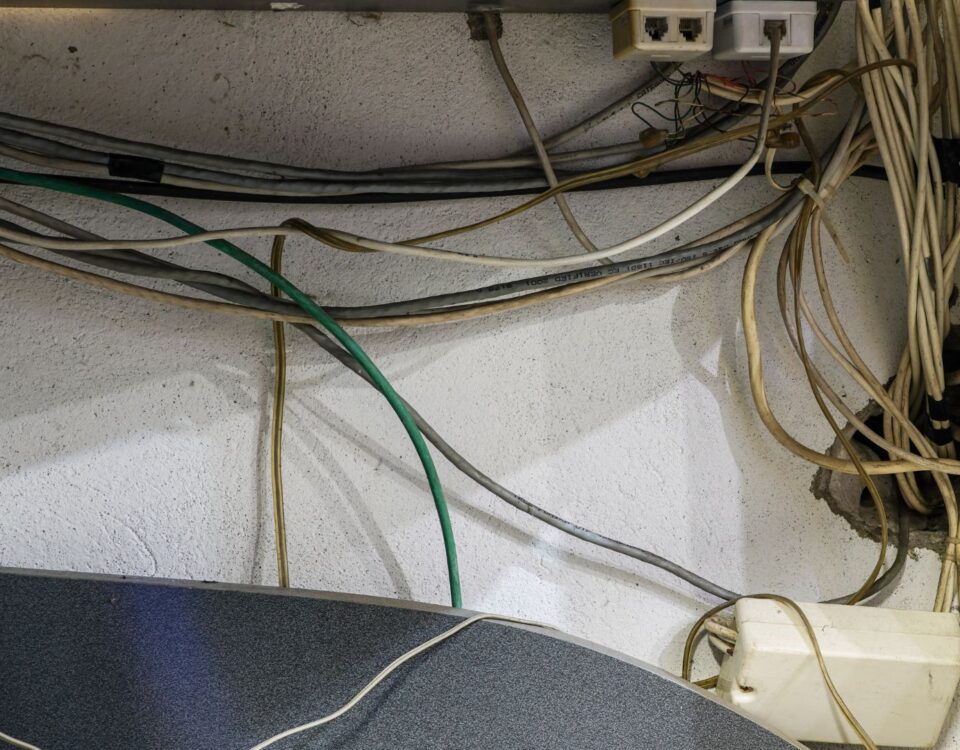
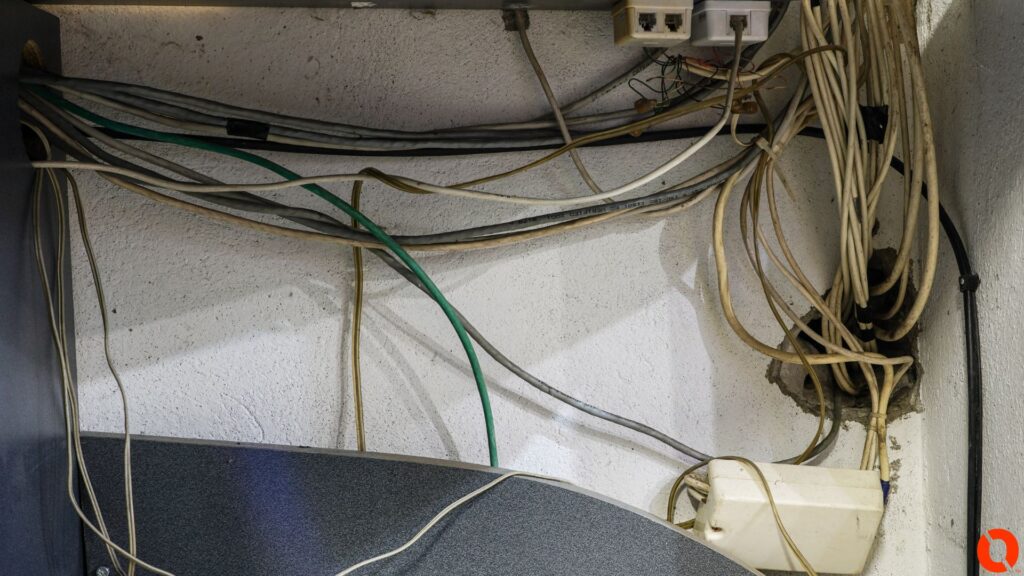
Your Ceiling Is Full of Dead Technology
September 16, 2026
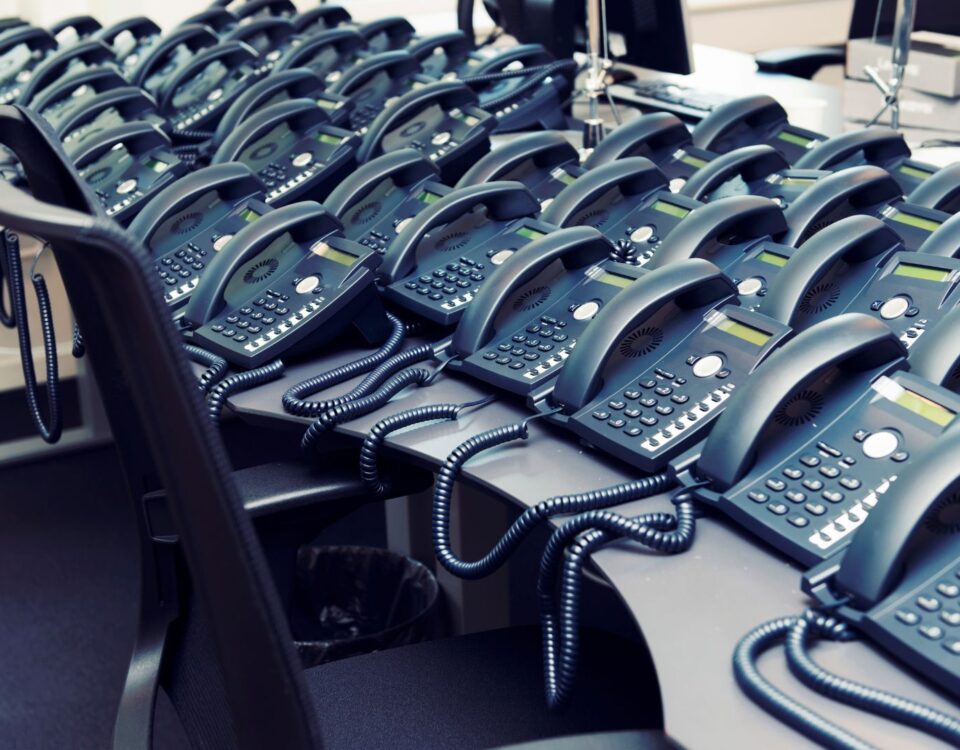
When businesses start talking about replacing an old PBX with VoIP, most of the conversation naturally revolves around equipment.
What phones are we getting? Will they have color displays? Can employees use an app? How does voicemail work? Can we transfer calls between locations?
Those are reasonable questions, but there’s something hanging off that old phone system that may be far more important than any telephone sitting on a desk.
Your phone numbers.
A business might replace its computers every five years, change internet providers, remodel the office, move its website, and go through several generations of phone equipment while keeping the same main telephone number for decades.
Customers know it. Former customers have it. Vendors have it. It’s printed on invoices, service vehicles, signs, business cards, advertisements, equipment stickers, directories, websites, and probably places you’ve completely forgotten about.
That’s why one of the first conversations Kommvia wants to have during a PBX-to-VoIP migration isn’t about which phone you’re going to buy.
We want to know which numbers you own.
Most Businesses Have More Numbers Than They Think
Ask a business owner for the company telephone number and you’ll probably get an answer immediately.
Ask for every telephone number associated with the company and things can get interesting.
There’s the main number, of course. Then perhaps the sales department has a number. Service might have another. Certain employees may have direct numbers. There’s probably a fax number somewhere. An old advertisement may still point to a number that forwards to the main line. Another number might terminate directly at a desk nobody has occupied for three years.
Businesses that have been operating for decades can accumulate telecommunications services without realizing it.
This was especially common with traditional telephone systems. Additional lines and numbers were ordered as companies expanded, offices changed, fax machines were installed, or departments needed direct access. Years later, the original reason for some of those services may be long forgotten.
A VoIP migration is a good opportunity to finally inventory all of it.
Which numbers are actively being used? Which numbers are customers still calling? Which ones need to be ported? Which services should remain separate? Which numbers can finally be retired?
You want those answers before the old carrier account is canceled, not afterward.
Porting a Number Isn’t the Same as Forwarding a Number
Number portability is one of the reasons businesses can move between telephone providers without changing the number their customers know.
The concept is simple: move the existing number from the current provider to the new provider.
The process behind it deserves more attention.
The new provider typically needs information associated with the existing carrier account, and that information needs to be accurate. The exact requirements can vary by provider and type of service, but mismatched account information can delay a port.
This is one reason we don’t recommend treating the old telephone bill as something to throw away as soon as a new VoIP system is ordered.
It may contain exactly the information needed to understand what services exist and begin coordinating the transition.
Call forwarding can sometimes be useful during migrations, but it isn’t the same thing as permanently moving ownership and routing of the number to the new service.
The end goal is simple: when the migration is complete, customers dial the same number they’ve always dialed and reach the new system.
Everything behind that number may have changed.
The customer shouldn’t have to care.
Don’t Cancel the Old Service Too Early
This deserves its own discussion because it seems logical to someone who hasn’t been through a telephone migration before.
“We’re switching phone companies, so let’s cancel the old phone service.”
Not yet.
In many migrations, you want the existing service active while the number-porting process is underway. Canceling service prematurely can complicate the very thing you’re trying to accomplish.
The sequence matters.
Build the new system. Configure it. Test it. Prepare the network. Deploy the phones. Train the people who need training. Coordinate the number port. Verify incoming and outgoing calling. Confirm that the important numbers are functioning where they’re supposed to function.
Then deal with the services that are no longer required.
The objective is controlled transition, not simply getting the old bill shut off as quickly as possible.
The Main Number Is Only the Beginning
Telephone-number inventory can also expose devices that aren’t obvious when someone says, “We’re replacing the phones.”
Fax is the classic example.
A company may have moved almost everything to email but still have one department receiving documents through a fax number customers have used for years.
Then there are other analog services that may exist independently of the desk-phone environment. Depending on the facility, there can be alarms, elevator communications, paging interfaces, door phones, modems, specialty equipment, or other devices tied into telephone infrastructure.
Those services shouldn’t automatically be moved to VoIP just because the desk phones are moving.
They should be identified and evaluated individually.
This is where a site survey becomes valuable. We don’t want to discover an important analog device three days after the old service was disconnected because somebody finally noticed it stopped working.
An old PBX installation can have roots throughout a building.
Before you pull it out, figure out where those roots go.
Your Phone Number Has Outlived Most of Your Technology
Think about a business that has operated since the 1990s.
Its original computers are gone. The servers have probably been replaced several times. The website has changed. The internet connection has changed. Employees have come and gone. The office may have been remodeled.
Even the phone system may have been replaced once or twice.
But the main telephone number could still be exactly the same.
That’s what makes business numbers unusual pieces of infrastructure. Technically, they’re telecommunications resources. Practically, they’re part of the company’s identity.
Customers don’t care whether the call is reaching an on-premise PBX, a SIP trunk, or a cloud VoIP platform.
They dial the number.
Something should answer.
This Is Why We Treat VoIP Migration Like a Cutover
Kommvia’s goal isn’t simply to install new phones.
We want to move the business from one communications environment to another without losing the things that already work.
That means understanding the old PBX. It means documenting extensions and call routing. It means looking at the structured cabling and network infrastructure underneath the new phones. It means determining whether switches can provide the necessary PoE. It means considering internet reliability.
And it means protecting the telephone numbers customers already know.
Done correctly, the day of the final cutover should be surprisingly uneventful.
A customer who called your company on Friday calls the same number Monday morning.
The call reaches the new platform.
The right phones ring.
The receptionist answers.
Nobody outside the company knows that the call just traveled through an entirely different telephone system.
That’s exactly what we want.
Modernize the System. Keep the Identity.
We’re strong believers in moving businesses from aging on-premise PBX systems toward modern VoIP when the move makes operational and financial sense.
But modernization doesn’t mean starting over.
Your company’s existing communication environment contains years of information about how your business operates. Your extensions, call flows, paging, departments, and telephone numbers are part of that history.
Some of it should be improved.
Some of it should probably disappear.
And some of it should be protected very carefully.
Especially the number printed on the side of your truck.
At Kommvia, that’s how we approach PBX-to-VoIP migration. Understand what exists, determine what needs to move, prepare the infrastructure, build the new environment, and control the cutover.
New system.
Same business.
Same number.
That’s the idea.
Kommvia Inc.
Kommvia helps businesses move from aging on-premise PBX systems to modern VoIP, including telephone-number migration, system design, structured cabling, network infrastructure, installation, programming, and cutover support throughout Indiana and the Chicago area.
Thinking about replacing an older PBX? Before you cancel anything, let’s figure out exactly what you have.
1-844-KOMMVIA | COMMAND THE SIGNAL™
We’re Here To Help!!