The Power Is Back On. Why Aren’t the Phones and Wi-Fi Workin’
August 15, 2026
How Much Does Structured Cabling Cost?
August 21, 2026
Kommvia is making the case for a smarter move from on-premise PBX systems to VoIP
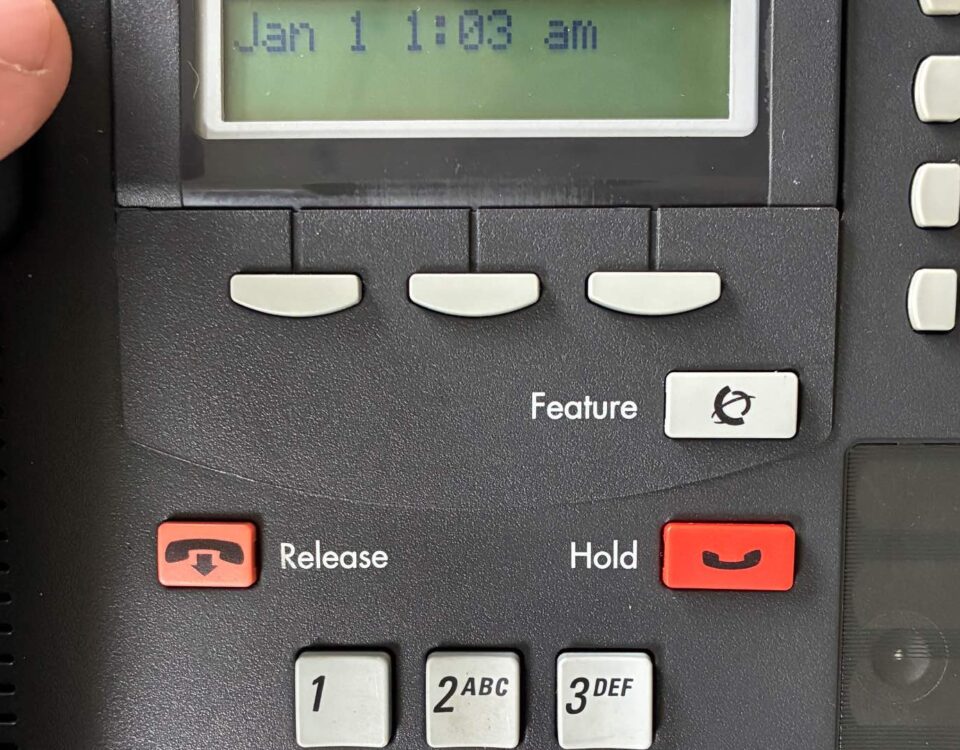
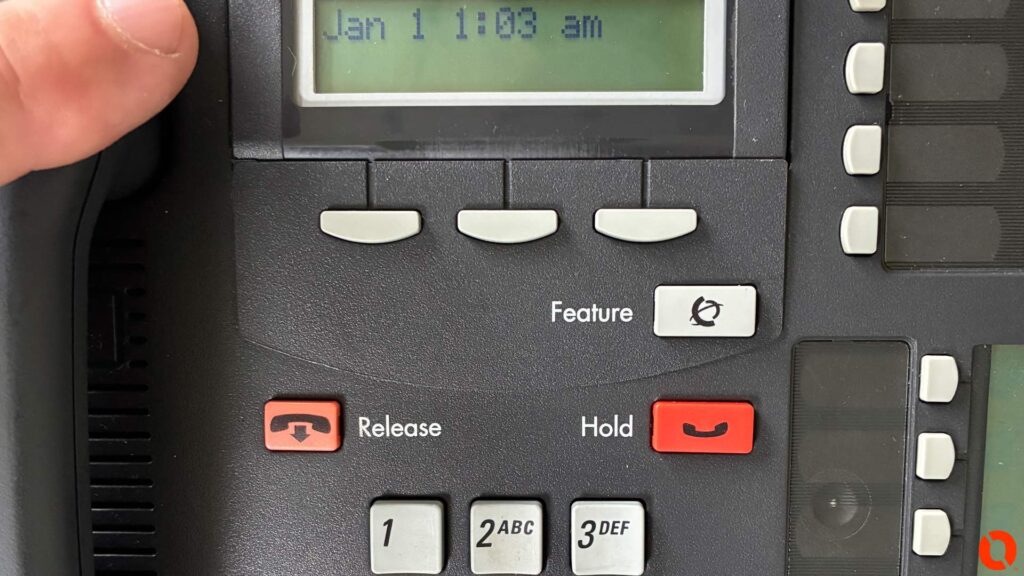
There are thousands of businesses still running on-premise phone systems that have been hanging on the wall for ten, fifteen, twenty years or longer. Nortel, Avaya, NEC, Mitel, Toshiba, Vertical and plenty of others are still out there answering calls every day.
We have a lot of respect for those systems. Many were incredibly reliable, and some will probably keep running for years.
WE WANT YOU TO KEEP THEM RUNNING (and will help you squeeze more time out of them) BECAUSE THEY ARE SOLID SYSTEMS.
There’s a hangup however…
The telecommunications world around them has changed.
Traditional carrier services are disappearing. Replacement hardware is getting harder to find. Experienced technicians are becoming less common. Businesses have employees working from different locations, customers expect better call routing, and companies increasingly want their communications systems to work outside the four walls of the office.
For many businesses, the question is no longer whether VoIP makes sense.
The real question is how do you get there without creating a mess?
That’s where Kommvia believes the conversation needs to change.
Moving to VoIP Isn’t the Same as Buying VoIP
Buying a cloud phone service is easy.
Migrating a business telephone system is not.
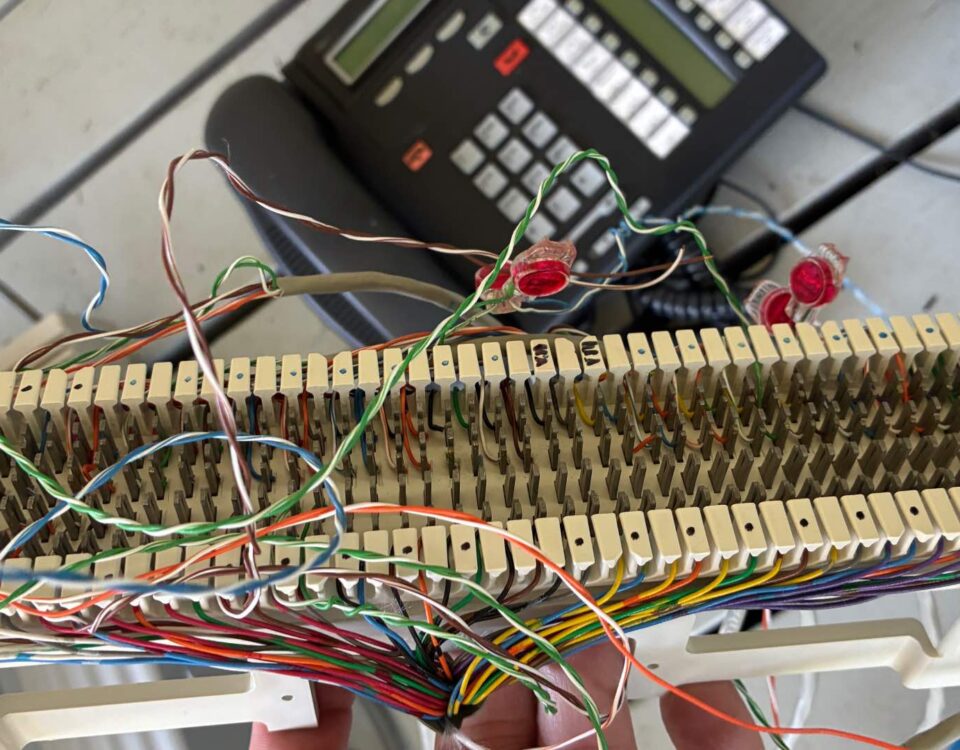
The old PBX may have spent twenty years becoming part of the building. There are extensions employees know by memory, hunt groups, main numbers, direct numbers, voicemail boxes, auto attendants, paging interfaces, fax machines, conference phones, door phones, analog devices, and little programming changes made years ago that nobody documented.
Somewhere along the way, the person who originally understood all of it probably retired, changed jobs, or disappeared.
Then somebody signs a contract for a new VoIP platform and suddenly everyone realizes the old system was doing more than they thought.
This is why we believe a VoIP migration should begin with understanding the existing phone system, not choosing new phones.
Before disconnecting anything, figure out what the PBX is actually doing.
The Old PBX Is Your Blueprint
One of the best sources of information for designing a new VoIP system is the system you’re replacing.
How do calls enter the business today? Which phones ring first? What happens after hours? Which employees have direct numbers? Where does voicemail go? How does the receptionist transfer calls? Is there overhead paging? Are there analog extensions? Does the warehouse have phones? Are multiple buildings connected?
Those details matter because employees have built their workflows around them.
A good migration doesn’t blindly reproduce every limitation of an old PBX, but it also doesn’t throw away twenty years of operational knowledge.
Instead, you use the existing system as a blueprint and ask a better question:
How can we make this work better with VoIP?
Maybe a hunt group becomes a modern call queue. Maybe voicemail starts arriving by email. Maybe an employee who used to be tied to a desk phone can answer the same business extension from a mobile app. Maybe multiple offices can finally operate as one telephone system.
That’s when VoIP becomes an upgrade rather than simply a replacement.
The Phone Number Is More Important Than the Phone
Businesses get excited about new phones, but the most important part of many migrations is something customers never see.
The telephone number.
A business may have advertised the same main number for decades. It’s printed on trucks, business cards, invoices, signs, websites, Google listings, customer databases, and probably thousands of phones.
That number has value.
Porting telephone numbers from one carrier to another needs to be treated carefully. Account information has to match. Numbers need to be identified. Timing needs to be coordinated. The old service shouldn’t disappear before the new environment is ready.
The physical phones sitting on employees’ desks can be replaced in an afternoon.
Losing control of a business number that customers have called for twenty years is a much bigger problem.
VoIP Moves the Phone System, Not the Responsibility
Cloud phone systems solve many problems, but they also change what businesses depend on.
With a traditional PBX, much of the intelligence lived inside equipment installed at the facility. With cloud VoIP, that intelligence may live hundreds or thousands of miles away in a provider’s infrastructure.
The building still matters.
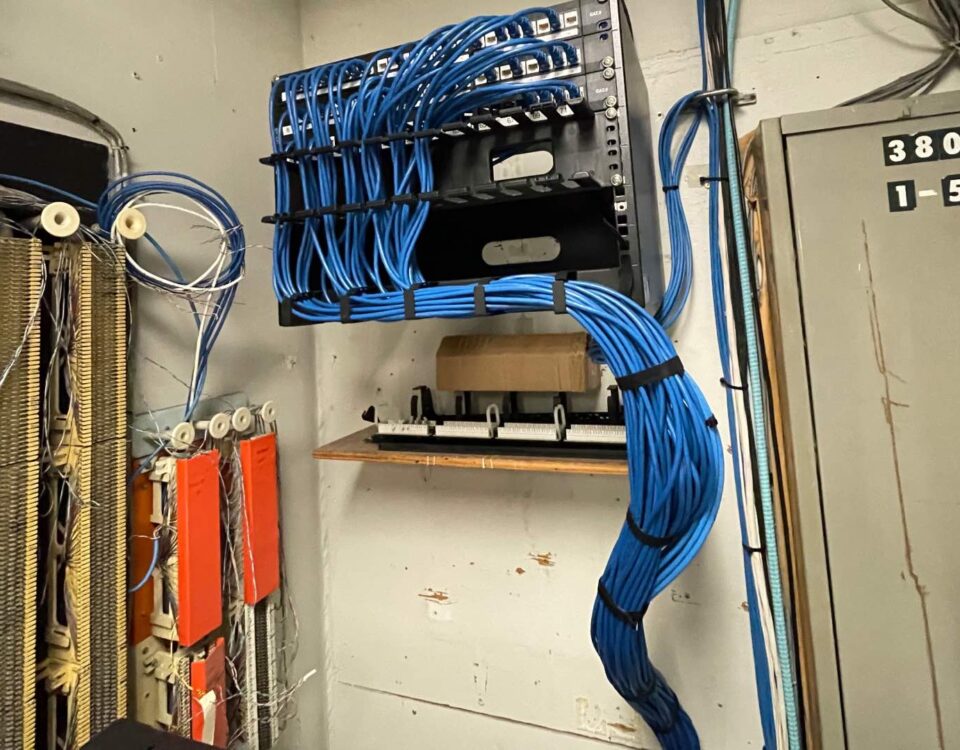
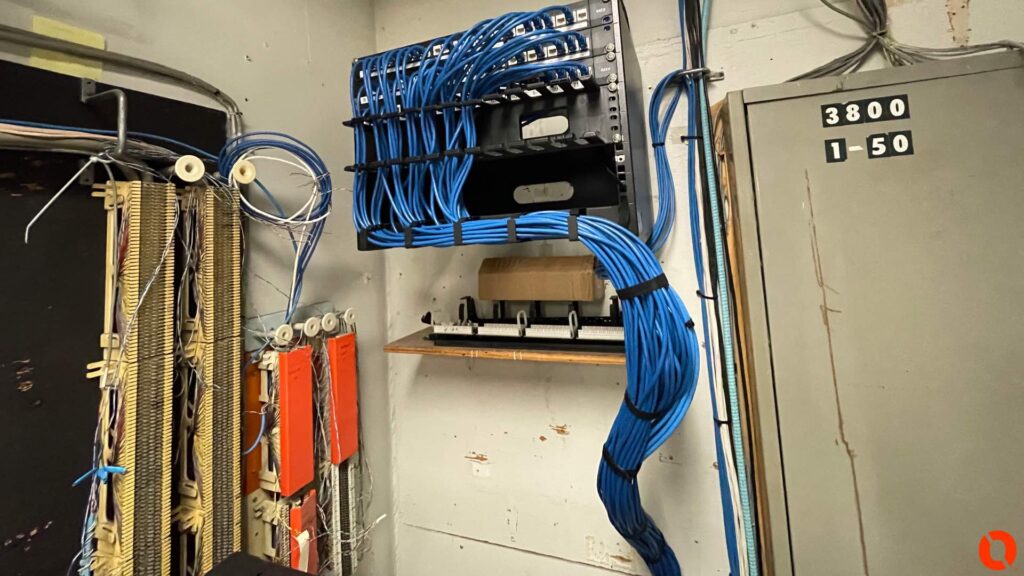
Your phones still need network connectivity. Your switches need to provide sufficient PoE. Your structured cabling needs to be reliable. Your firewall and internet connection become part of the telephone system in a way they may not have been before.
This is why moving from an on-premise PBX to VoIP should include looking at the network underneath it.
If the existing cabling is questionable, test it. If the switches are ancient, understand what they’re capable of. If the business has one internet connection and absolutely cannot lose telephone service, talk about redundancy and failover before the cutover.
Putting new VoIP phones on an unreliable network doesn’t create a modern phone system.
It creates modern problems.
Monday Morning Should Be Boring
We believe this is one of the best ways to judge a successful phone-system migration.
Monday morning shouldn’t be exciting.
Employees shouldn’t arrive to discover that nobody knows how to transfer calls. The receptionist shouldn’t be learning the system while customers are calling. The warehouse shouldn’t suddenly realize paging disappeared. Management shouldn’t discover that an important number never ported.
People should come to work and work.
The phones look different. There are new capabilities to learn. Maybe employees now have mobile apps or voicemail-to-email.
But customers call the same number and reach the same company.
Behind the scenes, almost everything may have changed.
From the customer’s perspective, almost nothing did.
That’s a good migration.
This Is Where Kommvia Wants to Be
Kommvia isn’t interested in pretending the last thirty years of business telecommunications never happened.
We understand why businesses kept their old PBX systems. Many of them were dependable, familiar, and paid for years ago.
But we’re also strong believers in where business communications are going.
VoIP gives companies flexibility that traditional systems simply weren’t designed to provide. Mobile employees can carry their business extension with them. Multiple locations can communicate under one platform. Call routing can become smarter. Administration can become easier. Businesses can grow without continually expanding physical PBX hardware.
For many companies still operating legacy equipment, the move is going to happen eventually.
We want Kommvia to be the company that gets them there.
Not by walking into the telecom room and declaring everything old obsolete.
By understanding what the old system does, protecting what’s important, fixing the infrastructure that needs attention, designing the new environment correctly, and making the transition with as little disruption as possible.
There was nothing wrong with the PBX era. It connected businesses for decades.
But telecommunications has moved forward.
When your business is ready to move with it, we’ll help you make the jump.
Kommvia Inc.
Kommvia helps businesses migrate from on-premise PBX systems to modern VoIP, including system planning, number migration, structured cabling, network infrastructure, Wi-Fi, installation, programming, and cutover support throughout Indiana and the Chicago area.
Still running an older business phone system and wondering what the path to VoIP actually looks like?
Start with the system you already have. We’ll take it from there.
1-844-KOMMVIA | COMMAND THE SIGNAL™
We’re Here To Help!!