Why Businesses Are Still Moving Away From Legacy Phone Systems
August 28, 2026
The Most Valuable Part of Your Old Phone System Isn’t the Phone System
September 16, 2026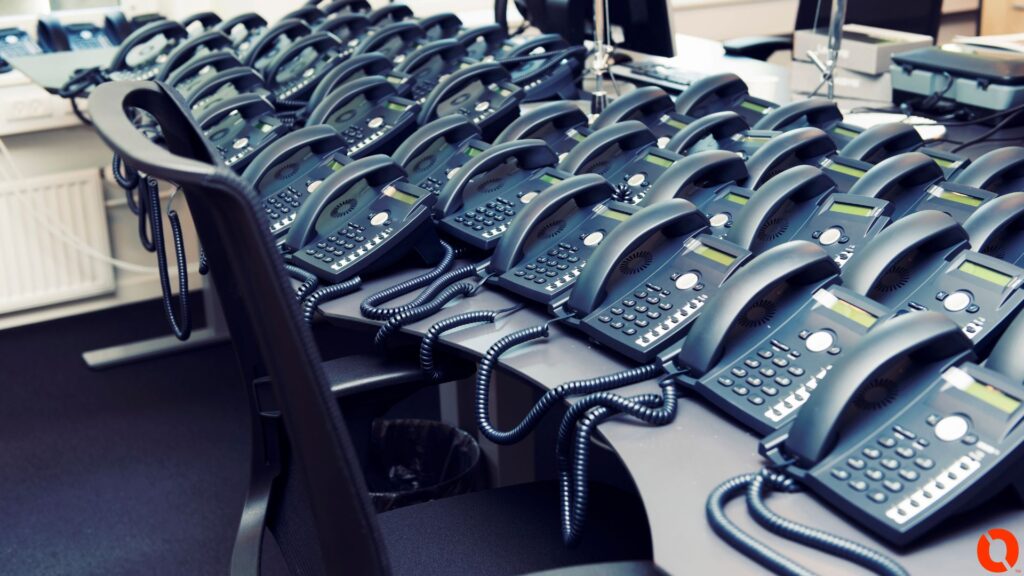
Walk into the back room of almost any established business and there is a good chance you will find technology that nobody quite knows what to do with.
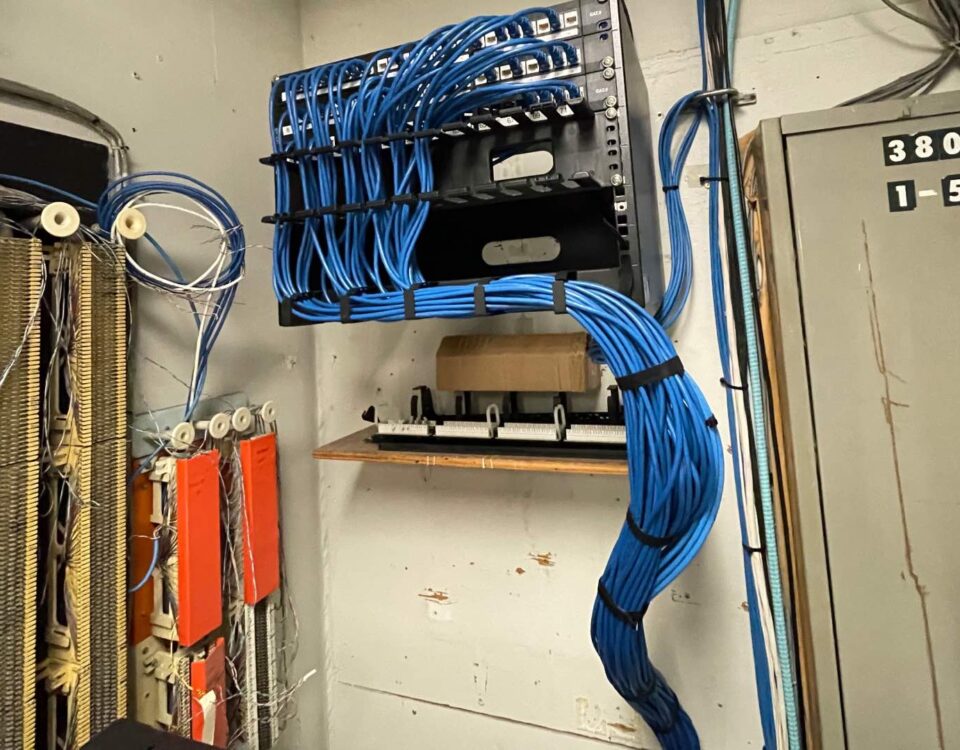
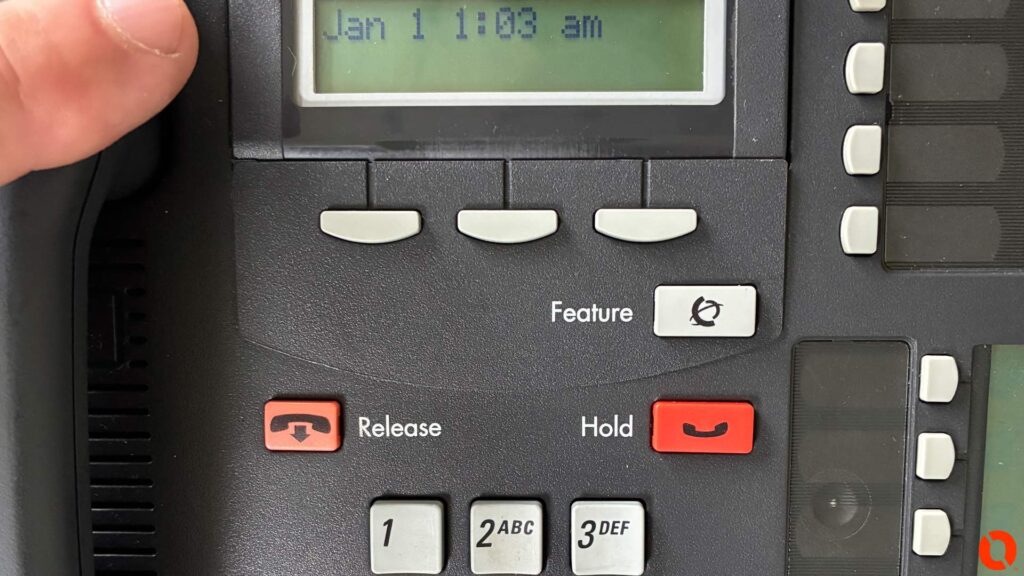
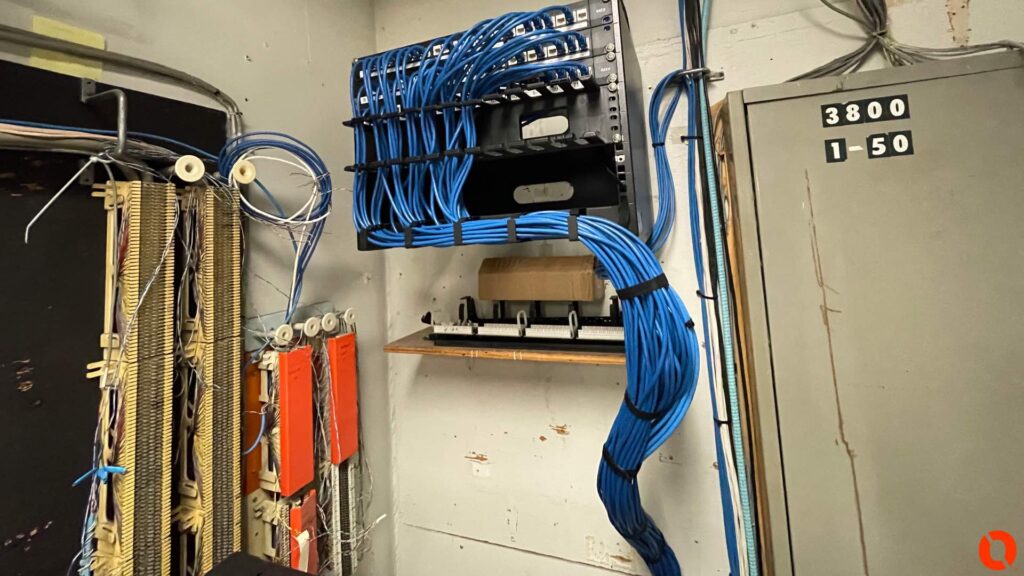
Old desk phones stacked in boxes. A phone system that was removed during a VoIP migration. Switches pulled during a network refresh. Access points from the previous wireless system. Conference room equipment that was replaced but never disposed of. Maybe there is an entire rack of equipment that has not been powered on in three years.
Nobody is using it.
Nobody wants to throw it away.
And nobody is quite sure whether it is worth anything.
So it sits.
At Kommvia, we think there is a better answer.
Before You Recycle It, Find Out What It Is Worth
Business technology moves quickly, but “old” does not automatically mean worthless.
There is still an active secondary market for many types of telecom, networking, IT and business equipment. A piece of hardware that no longer fits one company’s environment may be exactly what another organization needs to maintain an existing system, expand a location, replace a failed component or avoid an expensive full-system upgrade.
This is especially true in telecom.
Businesses do not replace every phone system, network switch or piece of infrastructure at the same time. There are organizations still operating platforms that other companies retired years ago. When a power supply, processor, interface card or telephone fails, replacement equipment can become surprisingly difficult to find through normal distribution.
That creates a second life for equipment that might otherwise be headed toward an electronics recycler.
What Kind of Equipment Can Have Resale Value?
There is no simple rule based on age.
Some relatively new equipment has very little secondary-market demand, while certain discontinued products remain desirable because thousands of systems are still operating in the field.
Kommvia is interested in evaluating a wide range of business technology, including business telephone systems, PBX hardware, IP phones, digital and analog telephones, voicemail equipment, gateways, interface cards, power supplies, network switches, routers, wireless access points, firewalls, conference room technology and other commercial communications equipment.
We also evaluate broader IT and business technology such as laptops, desktops, servers, UPS equipment and other professional hardware when quantities and condition make sense.
The important question isn’t simply, “How old is it?”
The better question is:
Is someone still using it?
If the answer is yes, there may be a market for it.
Don’t Assume Legacy Telecom Equipment Is Dead
Telecommunications is particularly interesting because the installed base is enormous.
Businesses spent decades installing systems from manufacturers such as Avaya, Nortel, NEC, Panasonic, Mitel, Cisco and many others. Some organizations have migrated completely to cloud communications. Others haven’t.
There are still warehouses, offices, manufacturers, hotels, schools, healthcare facilities, government buildings and other organizations operating older communications platforms every day.
That doesn’t mean every old PBX has significant value. Many don’t.
But it does mean businesses shouldn’t automatically assume that a cabinet full of telecom equipment belongs in a dumpster.
Individual components can sometimes matter more than the complete system. Phones, cards, processors, power supplies, gateways and expansion modules may have demand because somebody somewhere needs to keep an existing installation running.
That is one reason we recommend having equipment evaluated before disposing of it.
The Opportunity Is Bigger During an Upgrade
The best time to think about equipment recovery isn’t six months after an upgrade.
It is before the old equipment comes out.
Consider a business replacing 100 desk phones.
The project may involve much more than 100 phones. There could be PBX cabinets, interface cards, gateways, switches, power supplies, voicemail hardware, network equipment, racks and miscellaneous components associated with the old environment.
Without a plan, everything gets disconnected, thrown into boxes and moved into storage.
Then everyone moves on to the new system.
Three years later, somebody opens the closet and asks why the company still owns it.
A better approach is to evaluate the outgoing equipment as part of the technology refresh.
Determine what has resale value. Identify what should be securely handled because it may contain configuration or company information. Separate reusable equipment from genuine electronic waste. Document what is being removed.
That turns disposal from an afterthought into part of the project.
What About Companies With Multiple Locations?
This becomes even more valuable for organizations with a large installed base.
A company replacing equipment across ten, fifty or several hundred locations can accumulate a substantial amount of retired technology.
Those projects also create logistical problems.
Equipment has to be identified, collected, packaged, shipped, inventoried and ultimately sold, reused or recycled. Having every branch manager decide what to do with a box of old phones is not much of an asset-disposition strategy.
A coordinated equipment recovery program can make far more sense.
Instead of treating each location as a separate pile of unwanted hardware, the equipment can be consolidated and evaluated as a portfolio.
That is an area where Kommvia sees a significant opportunity to help businesses.
What Determines What Equipment Is Worth?
Secondary-market pricing isn’t the same as looking at the original purchase price.
A switch that cost thousands of dollars several years ago may now be worth a fraction of that amount. Another discontinued component may maintain value because replacements are scarce.
Several factors matter.
The exact manufacturer and model matter. So does configuration. Quantity matters. Cosmetic and operational condition matter. Whether equipment can be properly tested matters. Market demand matters. Shipping cost matters. Missing power supplies, handsets, mounting hardware or other components can also change the economics considerably.
There is also an important distinction between an asking price and a selling price.
Anyone can find an old piece of equipment listed online for $1,500.
That doesn’t mean anybody is actually buying it for $1,500.
A realistic valuation considers what comparable equipment is actually selling for, how quickly it moves, the cost of testing and preparing it, selling expenses, potential warranty exposure and the likelihood that some percentage of a large equipment lot will be unusable.
That is why we evaluate equipment individually rather than publishing a generic price list.
Selling Equipment Is About More Than Getting the Highest Number
Businesses should also think about what happens after equipment leaves the building.
Some devices may contain stored configuration information, network settings, user information or other data. Depending on the equipment, simply unplugging it does not necessarily mean the device is clean.
That makes responsible handling important.
Organizations should understand what equipment is being transferred, maintain appropriate records and address data-bearing devices according to their own security and compliance requirements.
For larger equipment retirements, documentation can be every bit as important as the purchase price.
Kommvia Is Buying Business Technology
Kommvia has spent years working around business communications and network infrastructure. We know what this equipment is, how businesses use it and why older technology sometimes continues to matter long after manufacturers move on to the next generation.
We’re now putting more emphasis on helping organizations find a second market for surplus business technology.
If your company has telecom, networking, IT or related business equipment sitting in storage—or you’re preparing for an upcoming technology refresh—we want to hear about it.
You don’t need to know exactly what every component is.
Take a few clear photographs. Send us the manufacturer and model numbers when available. Tell us approximately how much equipment you have and where it is located.
We’ll take it from there.
Because the box of “old equipment” sitting in your telecom room may be junk.
But before you throw it away, it is worth finding out.
Have surplus business technology? Sell it to Kommvia.
We give business technology a second life—keeping useful equipment in service, reducing unnecessary electronic waste, and getting it into the hands of businesses that can still put it to work.