How Much Does Structured Cabling Cost?
August 21, 2026
Why Businesses Are Still Moving Away From Legacy Phone Systems
August 28, 2026
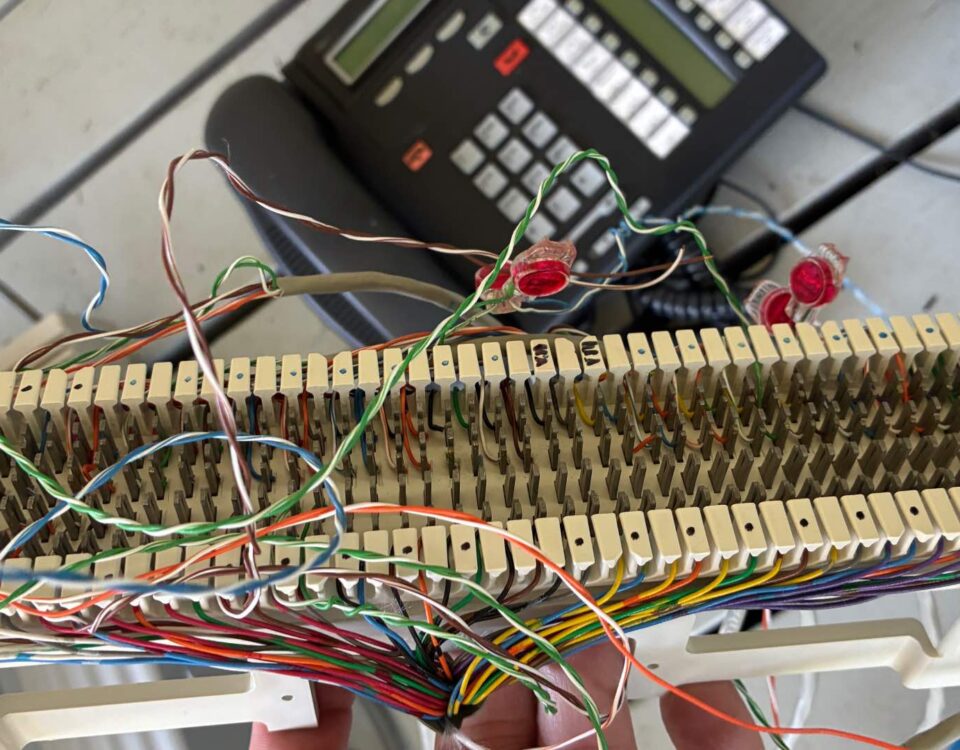
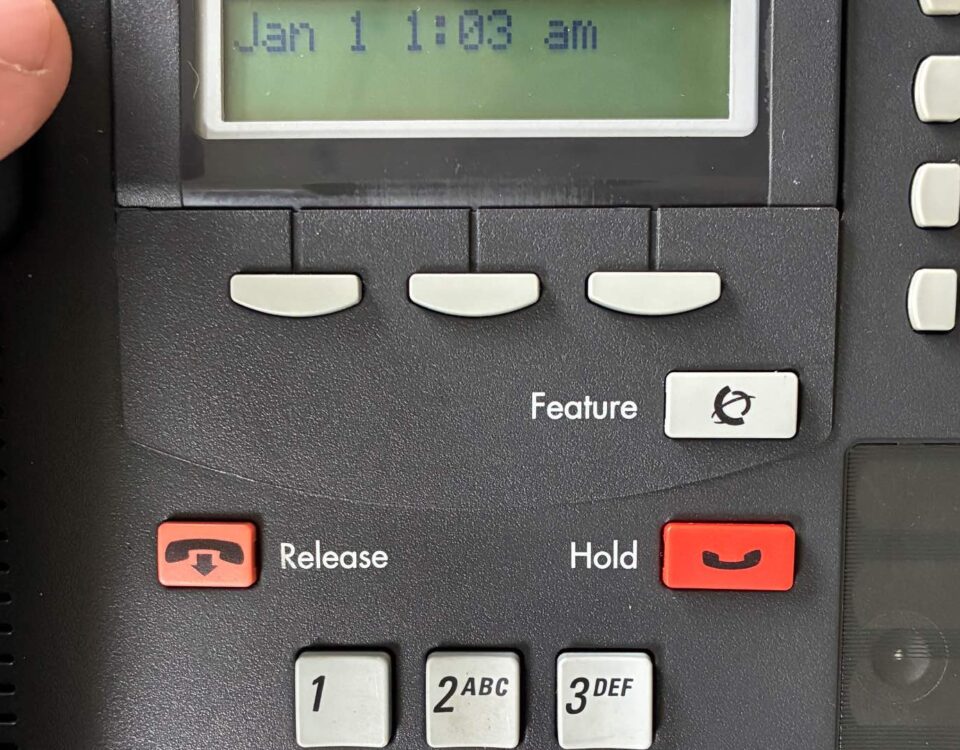
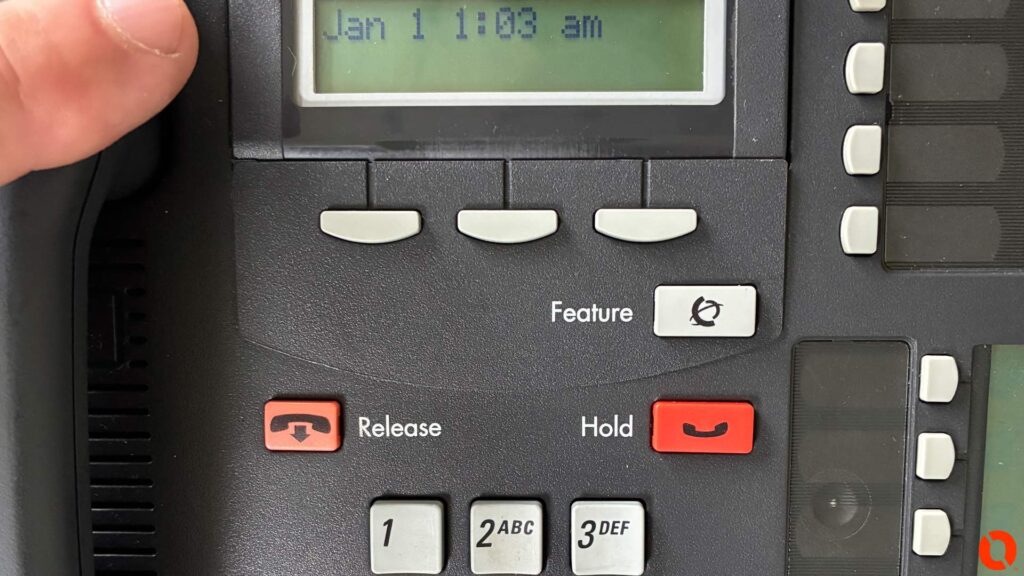
There is a tendency in technology to assume that old equipment needs to be replaced simply because something newer exists. Business phone systems are a good example. We still walk into facilities running PBX systems that have been in service for 15, 20, sometimes even 25 years. The phones are yellowing a little, nobody remembers where the manuals went, and there may be a cabinet on the wall that hasn’t been opened in years. Yet every morning employees pick up those phones, customers call the same numbers they have called for years, and the system continues doing exactly what the business needs it to do.
Does that system really need to be replaced?
Sometimes the answer is no.
At Kommvia, we work with both legacy telephone systems and modern VoIP platforms, so we don’t have much interest in declaring one side universally better than the other. A properly maintained older PBX can still be an extremely reliable piece of equipment. At the same time, there comes a point when maintaining an aging system creates more risk and expense than replacing it. The difficult part for a business owner isn’t understanding that new technology exists. It’s figuring out when crossing that line actually makes sense.
Start With Why You’re Considering a Replacement
Before looking at new phones, providers or monthly pricing, it is worth identifying what problem you are actually trying to solve. If the existing system works reliably, employees understand it, replacement parts are available and it provides the features the business needs, age alone isn’t a particularly compelling reason to remove it.
We have seen situations where the phone system was blamed for problems that weren’t really phone system problems. Poor call quality can originate with a carrier or network connection. A dead telephone can be caused by cabling. Calls routing incorrectly may be a programming issue. Voicemail problems don’t necessarily mean the entire PBX has reached the end of its life. Replacing thousands of dollars worth of equipment before identifying the actual failure is an expensive way to troubleshoot.
The opposite happens too. Some businesses continue repairing systems long after the economics have stopped making sense. They replace one card, then another power supply, then hunt for another used telephone, all while depending on equipment that becomes a little more difficult to support every year. No individual repair seems expensive enough to justify replacement, but collectively the company is spending money to postpone a decision it will eventually have to make anyway.
That is why we prefer to look at the entire situation rather than simply asking how old the PBX is.
Old and Unsupported Are Not the Same Thing
One of the misconceptions surrounding legacy telecom is that discontinued equipment immediately becomes useless. It doesn’t. Some older business phone systems were exceptionally well built, and a healthy supply of refurbished equipment and replacement components can keep them operating for a long time.
The more important question is whether the system remains practically supportable.
If handsets, station cards, trunk cards and power supplies can still be obtained, and technicians who understand the platform are available, an older PBX may have plenty of useful life remaining. That calculation starts to change when ordinary repairs require searching for increasingly scarce hardware or when only a handful of people still know how to program the equipment.
A system can be functioning perfectly and still be developing a support problem in the background.
That doesn’t mean it needs to be ripped out immediately. It means the business should understand the risk and begin planning accordingly. There is a tremendous difference between deliberately operating a legacy system with spare equipment and a migration plan versus operating one simply because nobody wants to touch it.
The latter is where businesses tend to get into trouble.
Sometimes the PBX Isn’t What Forces the Change
The equipment hanging in the telecom room is only one part of a business telephone system. The carrier services feeding it matter just as much.
A perfectly functional PBX may depend on analog lines or older telecommunications services that are becoming more expensive, more difficult to obtain or simply less attractive compared with newer alternatives. In other cases, a growing company begins needing capabilities that the existing system was never designed to provide, such as better mobility, centralized administration across multiple locations, detailed call reporting or easier support for remote employees.
This is where modernization becomes more interesting than simply comparing an old telephone to a new IP phone.
Depending on the equipment, it may be possible to change how outside telephone service reaches the building without immediately replacing every telephone inside it. Other systems may allow portions of the existing infrastructure to remain during a phased migration. In some buildings, the existing cabling can continue serving a useful purpose even when the telephone platform changes completely.
There is rarely a good reason to throw away infrastructure that still has value simply for the sake of calling a project an upgrade.
Pay Attention to the Cost of Workarounds
An aging system usually tells you when it is becoming a problem, but the warning isn’t always a catastrophic failure. More often, little compromises begin accumulating around it.
Employees start forwarding business calls to personal cell phones because mobility is difficult. The company pays for separate services to provide features the PBX can’t handle. Someone maintains a spreadsheet because reporting is limited. Adding a new employee becomes a bigger project than it should be. A second location opens and connecting the two systems requires another workaround.
None of these issues individually means a phone system must be replaced. Together, however, they can change the economics considerably.
The same is true of service calls. If a business spends a few hundred dollars repairing an otherwise reliable system once every several years, replacement probably isn’t justified on maintenance cost alone. If failures are occurring regularly and each one involves finding discontinued equipment, waiting for parts and hoping the next component doesn’t fail, the calculation is different.
What matters is not simply what the old system costs to maintain. It is what the limitations and potential downtime are costing the business.
Moving to VoIP Means Looking at the Network Too
One of the most important parts of a modern phone system project happens before the new phones ever arrive.
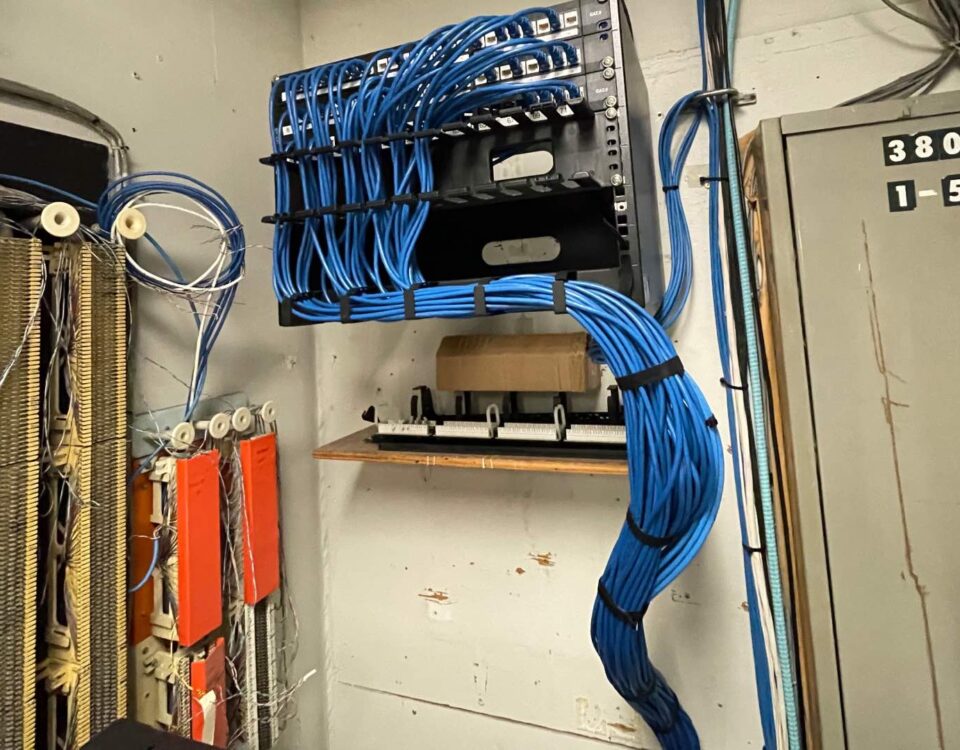
When a business moves from a traditional PBX architecture to VoIP, the data network becomes part of the telephone system. Switches, structured cabling, internet connectivity, Power over Ethernet, network configuration and power protection can all affect how reliably those phones operate.
This is an area where a phone replacement can expose problems that have been hiding for years.
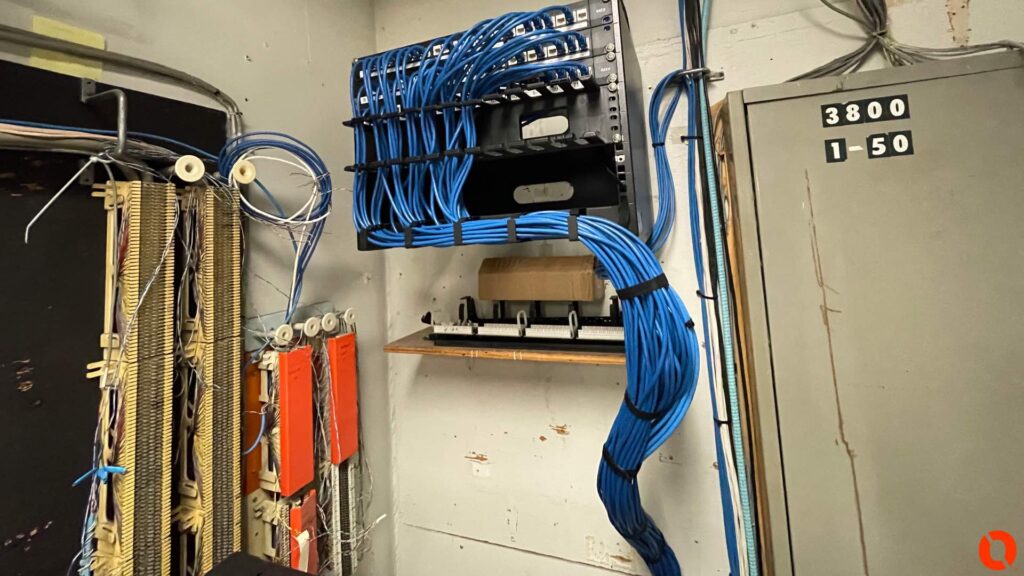
A company may have perfectly adequate internet service but an aging network switch. The cabling may work fine for ordinary computer traffic but contain questionable terminations that become more noticeable once phones and additional Power over Ethernet devices are added. The network rack may have grown organically for 15 years without anyone stepping back to understand what is actually connected to what.
Installing a modern VoIP platform on top of questionable infrastructure doesn’t magically modernize the infrastructure underneath it.
This is one reason we like to look at the network and cabling as part of a phone system assessment. A telephone migration isn’t just about choosing handsets. It is about understanding the communications environment those handsets are going to depend on.
The Best Time to Plan a Replacement Is Before the Old System Dies
Businesses often postpone thinking about their telephone system because it continues working, which is understandable. There are always more immediate things competing for time and money.
Unfortunately, the worst time to learn how an old PBX works is after it has failed.
While the system is still operational, there is time to inventory extensions, telephone numbers, hunt groups, auto attendants, analog devices, voicemail boxes and carrier services. There is time to determine what cabling exists, what network equipment will support a new platform and which features employees actually use. There is also time to evaluate what should be replaced and what can reasonably remain.
That process often uncovers things nobody realized were still connected to the telephone system. Fax machines, alarm dialers, door phones, paging interfaces, elevator phones and other analog devices have a way of disappearing into the background until somebody changes the telecom infrastructure and discovers they were still depending on it.
A planned migration gives you time to find those things.
An emergency replacement does not.
That distinction matters because a 20-year-old PBX that is running reliably today isn’t necessarily an emergency. A 20-year-old PBX that fails tomorrow when nobody knows the programming, carrier configuration or connected devices can become one very quickly.
So, Should You Keep It or Replace It?
If the existing phone system is reliable, reasonably supportable and still fits the business, keeping it may be the most sensible decision. There is nothing inherently wrong with getting another five years of useful service from equipment that has already been paid for.
But keeping it should be a decision rather than an accident.
Know whether replacement parts are available. Know who can support the system. Understand what carrier services it depends on. Keep records of the configuration and telephone numbers. Know which analog and specialty devices are connected to it. Most importantly, have some idea of what the migration path looks like before a failure forces the decision.
If the system is experiencing repeated failures, support is disappearing, carrier costs are increasing, the business has outgrown its capabilities or employees are constantly building workarounds around its limitations, modernization deserves a serious look.
That doesn’t always mean replacing everything.
Sometimes the right answer is repairing the system you already own. Sometimes it is changing the services feeding it. Sometimes a phased migration makes sense. And sometimes the old PBX has simply earned its retirement.
At Kommvia, we would rather understand the system first and recommend the approach that makes sense for the business than walk into every telecom room assuming everything old belongs in a dumpster.
Older telephone systems aren’t automatically bad technology. Many of them have spent decades proving exactly the opposite.
The important question is whether yours can continue doing its job reliably, economically and supportably for the years ahead.
Not Sure What Is Sitting in Your Telecom Room?
Kommvia works with businesses throughout Northwest Indiana and the Chicago area on legacy telephone systems, modern VoIP, business phone system installation and service, structured cabling and the network infrastructure behind them.
If you have an older system and aren’t sure whether it needs to be repaired, modernized or replaced, start by finding out exactly what you have and what the business actually needs.
A planned upgrade is almost always easier than an emergency replacement.
We’re Here To Help!!