Your Ceiling Is Full of Dead Technology
September 16, 2026
I’ve worked around business phone systems long enough to remember when you could walk into an office, look at the phone on the receptionist’s desk and have a pretty good idea of what you were going to find when you got back to the equipment room.
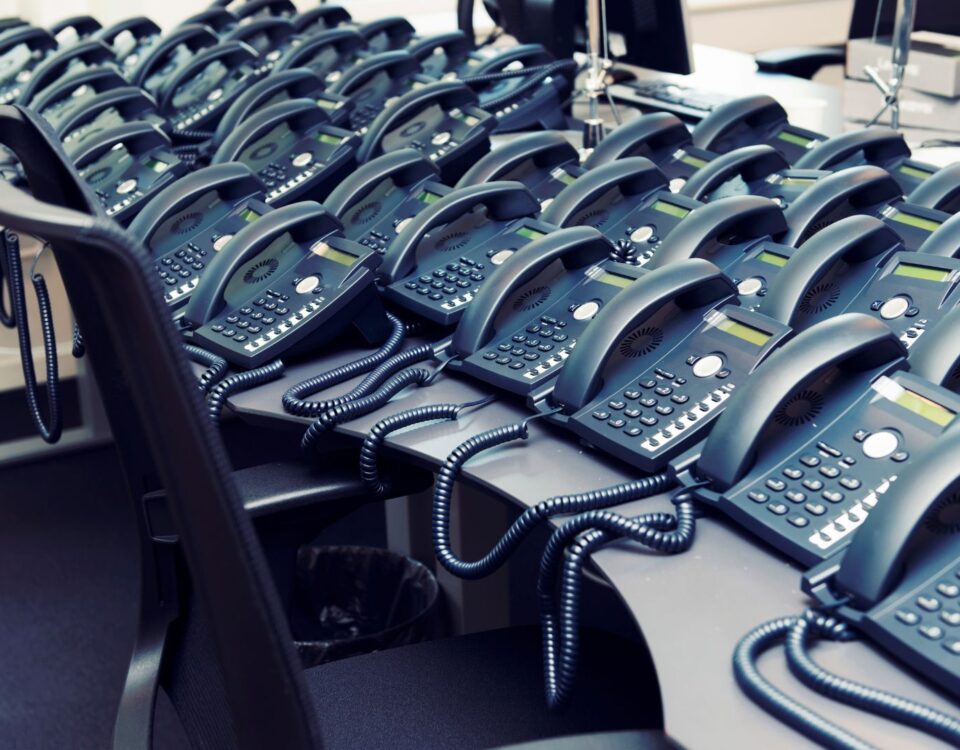
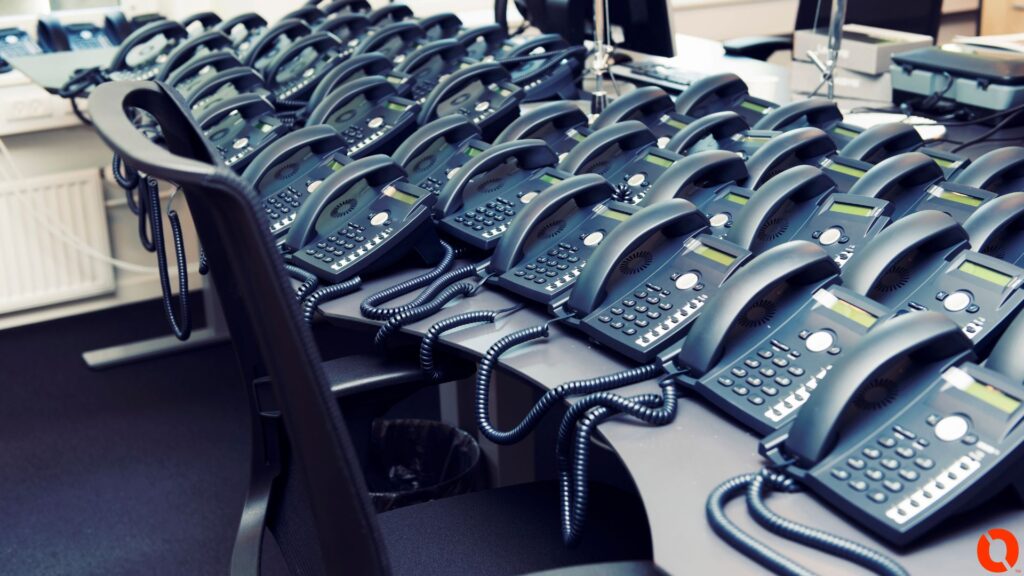
Nortel phones usually meant a Nortel system on the wall. NEC, Panasonic, Toshiba, Avaya and the other manufacturers all had their own ecosystems. Once you knew the platform, you generally knew what you were dealing with. The phones, cards, cabinets and programming all belonged together.
I still run into plenty of those systems in the field, and some of them continue to work remarkably well. I’ve always had a certain respect for equipment that can sit on a wall doing the same job every day for 15 or 20 years. You don’t see much technology with that kind of lifespan anymore.
But the work has changed.
Today I can walk into a service call for a “phone problem” and the phone itself might be one of the last things I look at.
That’s probably one of the biggest changes VoIP has brought to this business. The phone system used to have fairly obvious boundaries. Carrier lines came into the building, landed on the PBX and the PBX distributed everything from there. There was still plenty to troubleshoot, but you could usually draw a circle around the telephone system.
You can’t really do that anymore.
A modern VoIP call can depend on the cabling, network switch, PoE, VLAN configuration, firewall, internet connection, SIP provider, hosted PBX and finally the phone sitting on the desk. When somebody tells me, “Our phones keep cutting out,” there are a lot more places to look than there used to be.
If ten phones start having the same problem at roughly the same time, I’m probably not going to start replacing phones. If the problem only happens during certain parts of the day, I want to know what else is happening on the network. If one location sounds terrible while another location on the same hosted system works perfectly, that starts pointing the troubleshooting in another direction.
That’s where telecom and networking have really started running into each other.
The Network Closet Is Part of the Phone System Now
I’ve been in plenty of buildings where the old PBX was mounted neatly on the wall while the network rack next to it looked like it had survived an explosion. Years ago, those two things could mostly ignore each other.
With VoIP, they can’t.
Now the phone might be powered by the network switch, connected through the same structured cabling as the computers, communicating across a VLAN, passing through a firewall and registering to a system somewhere outside the building.
That changes the way I look at a phone installation.
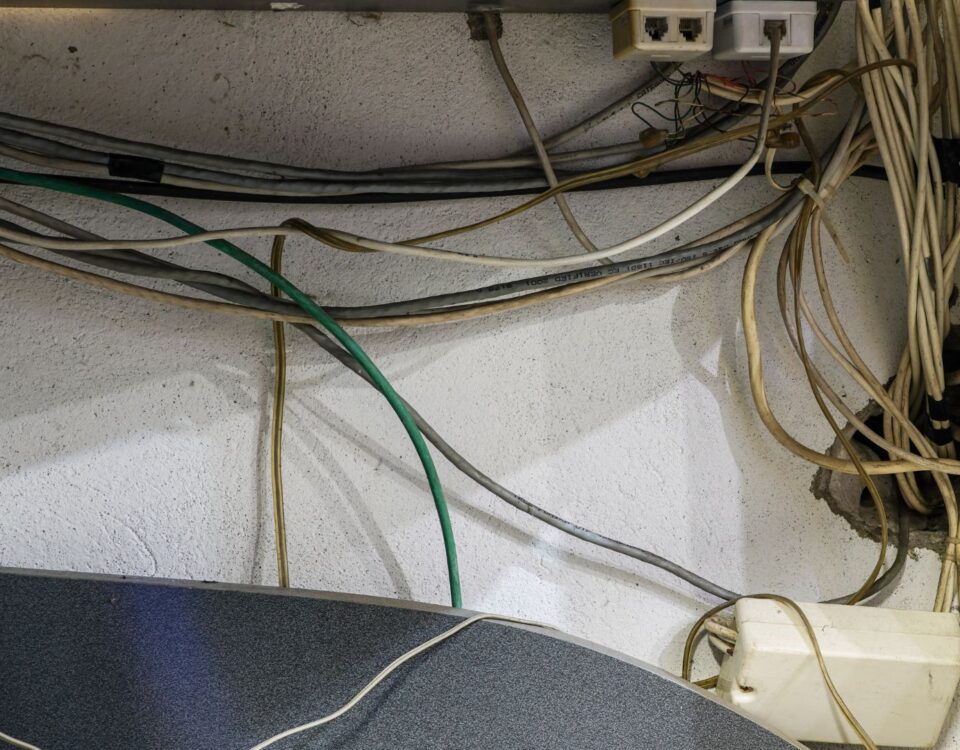
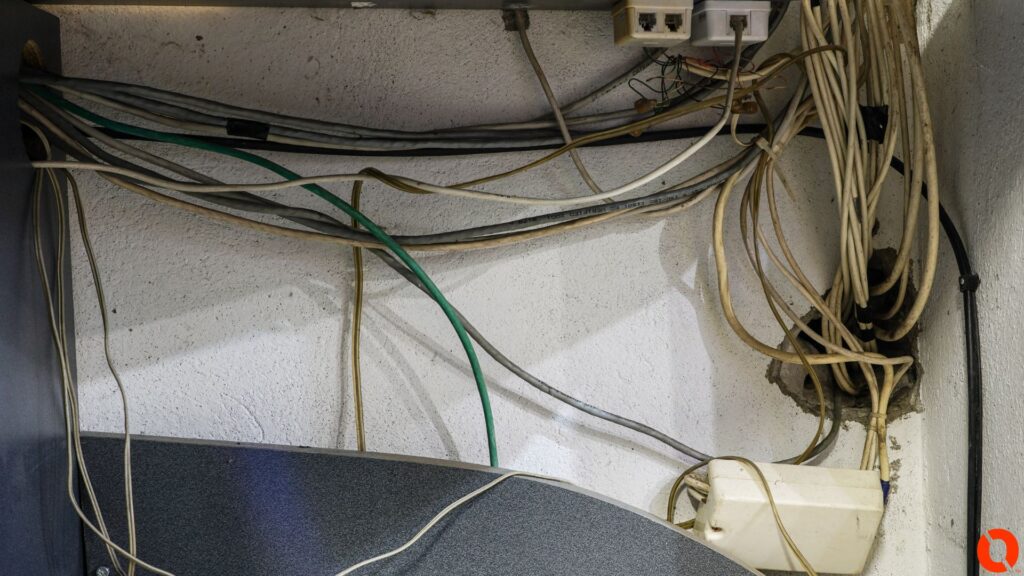
I’m looking at the cable feeding the phone. I’m looking at the switch. I want to know what happens if that switch loses power. I’m looking at the internet connection and how the network is laid out. If there are old unmanaged switches stuffed under desks or questionable cabling above the ceiling, those things become part of the conversation too.
It’s one reason I’ve never liked treating telecom, cabling and network infrastructure as completely separate worlds. Out in the field, they aren’t.
The customer doesn’t care whether the problem technically belongs to the telephone guy, the cabling guy, the network guy or the internet provider. They picked up the phone and something didn’t work. They want somebody to figure out why.
Ironically, while everything behind the phone has become more involved, the physical phone itself has become less important to the overall system.
A modern IP phone is a sophisticated device, but much of what makes the system work no longer lives inside the building. Extensions, voicemail, auto attendants, schedules, ring groups and routing can all exist on a hosted platform. A properly provisioned replacement phone can be plugged in and retrieve most of what it needs automatically.
That’s a very different world from standing in front of an old PBX with a programming manual trying to remember which feature code controls the thing you need to change.
I’ll admit there are things I like about both.
The Old Stuff Isn’t Gone
If you spend all your time reading technology news, you might think every business in America has already moved completely to the cloud.
Spend a week in the field and you’ll get a different picture.
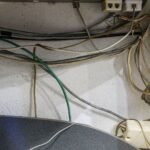
I still see analog lines, old punch blocks, legacy PBXs, fax machines, paging equipment and copper cabling working right alongside newer IP equipment. Sometimes one side of a building has been renovated and the other hasn’t. Sometimes a company replaced the phone system but kept an old paging system. Sometimes nobody knows exactly what a particular cable does, but everyone agrees we probably shouldn’t disconnect it.
That’s commercial telecom.
Buildings accumulate technology.
One generation gets installed over another, companies expand, walls move, carriers change and different contractors work on different pieces over the years. Eventually somebody opens the equipment room door and has to figure out how everything is connected.
I’ve spent a lot of my career doing exactly that.
And that’s why I don’t think the real story in business communications is that VoIP replaced the old telephone system. It’s that the definition of a telephone system got much bigger.
The equipment will keep changing. Twenty years from now, somebody will probably laugh at some of the technology we’re installing today.
But the field work will still come down to roughly the same thing it always has: understand how the business communicates, follow the infrastructure, find the problem and make sure the signal gets where it’s supposed to go.
That’s the part of telecom I’ve always enjoyed.
Business Phone Systems in Northwest Indiana & Chicago
If you’re running an older business phone system in Northwest Indiana or the Chicago area, there’s a good chance we’ve seen something similar in the field. Kommvia works with businesses throughout Northwest Indiana, Chicagoland and surrounding communities on legacy phone systems, VoIP migrations, structured cabling and the network infrastructure that supports them.
From offices and retail locations to warehouses, manufacturers and industrial facilities, we work with the equipment that’s already there as well as the technology replacing it. If you’re dealing with an aging Nortel, Avaya, NEC, Panasonic or another legacy system—or you’re trying to figure out the right way to move your business to VoIP—we can come out, look at the existing environment and help you determine what makes sense.
Need someone to take a look? Call Kommvia at 1-844-KOMMVIA (1-844-566-6842) or schedule an on-site assessment in Northwest Indiana or the Chicago area.